.webp)


How Were Known Extremists Not Stopped? Easter Bombers Appeared in Intel Records



.png )
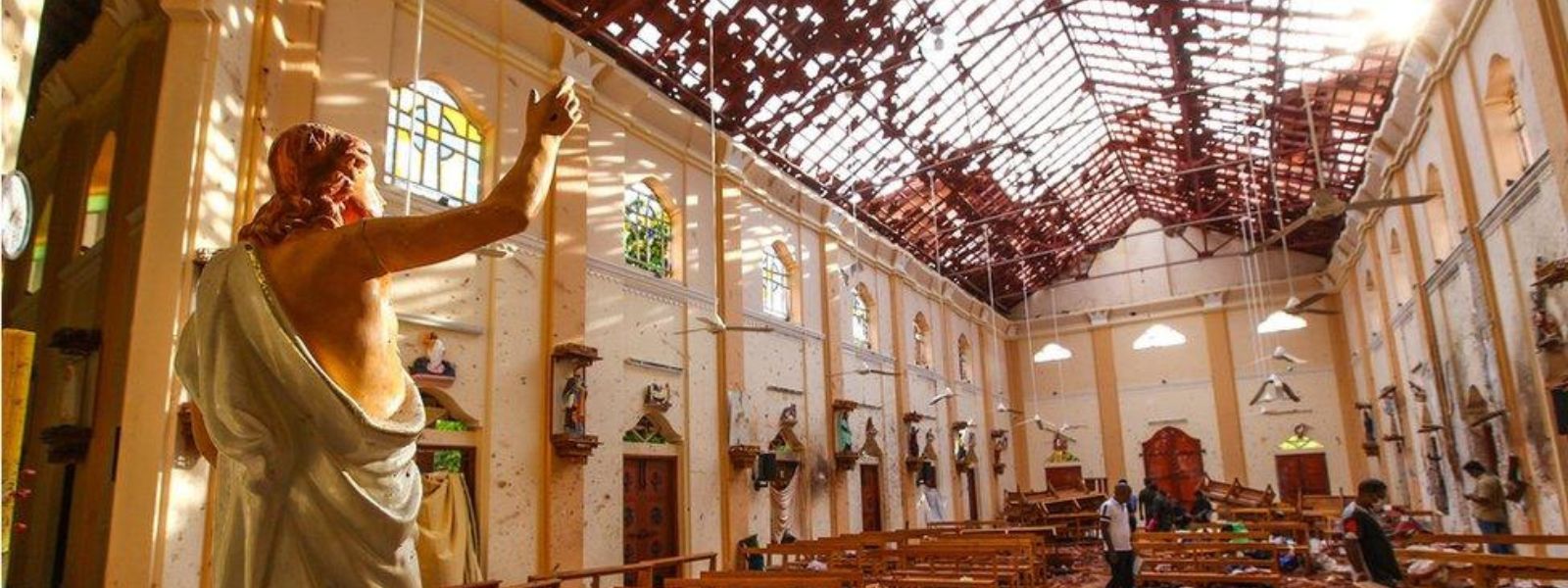
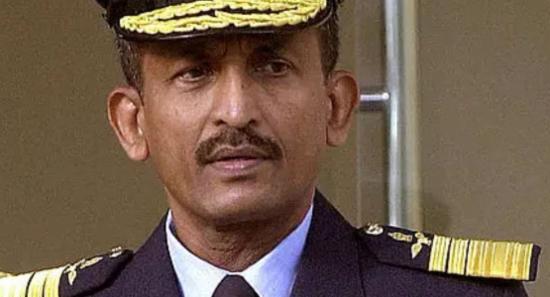
COLOMBO (News 1st); The investigation into the Easter Sunday terrorist attacks, which claimed the lives of 278 people and left more than 500 others injured, took a dramatic new turn before the Colombo Fort Magistrate's Court today, as prosecutors presented what they described as two significant new pieces of evidence relating to alleged links between former State Intelligence Service Director Suresh Salley and others connected to the attacks.
Making extensive submissions before court, Additional Solicitor General Dileepa Peiris outlined what investigators believe to be a series of intelligence failures, suppressed warnings and suspicious actions by multiple individuals prior to the devastating attacks of April 2019.
One of the key pieces of evidence presented to court stemmed from information allegedly provided by a former military intelligence informant known as "Thambiyan," a former LTTE Sea Tiger operative who had subsequently worked with Indian intelligence before returning to Sri Lanka.
According to the prosecution, the informant had been supplying intelligence regarding Zahran Hashim and his activities as early as 2018. Court was told that the intelligence had been passed through established military intelligence channels, first to an officer named Suranga, then to Colonel Ranawera, who was expected to relay the information to then Director of Military Intelligence Chula Kodituwakku.
However, prosecutors alleged that despite possessing detailed intelligence relating to Zahran and his network, the information was not shared with investigators in a timely manner.
The Additional Solicitor General told court that the same informant had identified Zahran and his associates as being responsible for the murder of two police officers in Vavunathivu, yet efforts had allegedly been made to portray the killings as an LTTE-linked operation and to implicate former LTTE member Ajanthan instead.
The court heard that while an officer in charge of the Third Military Intelligence Corps had informed the Criminal Investigation Department only nine days before the Easter attacks that Zahran's group was responsible for the Vavunathivu murders, the informant had provided that same information almost immediately after the killings took place.
Prosecutors argued that the failure to share such intelligence with investigators raised serious concerns and had given rise to suspicions that certain intelligence officers may have participated in a broader conspiracy connected to the attacks.
The prosecution also unveiled further details regarding the movements of Zahran Hashim prior to the attacks. Court was told that intelligence agencies had gathered information indicating that Zahran had travelled to India on several occasions using sea routes from Mannar.
According to the submissions, investigators believe that upon returning to Sri Lanka, Zahran received political protection allegedly linked to former Minister Rishad Bathiudeen. The Additional Solicitor General further alleged that financial assistance for these overseas trips had been provided by businessman Alavudeen, identified in court as the father-in-law of Inshaf, one of the suicide bombers who detonated explosives at the Shangri-La Hotel during the Easter attacks.
The prosecution further told court that following the attacks, Inshaf's wife had been detained and questioned by the Criminal Investigation Department under detention orders. However, she had allegedly been released before the expiry of those orders following the change of government and the election of former President Gotabaya Rajapaksa. Court was also informed that Alavudeen had played a leading role in managing Gotabaya Rajapaksa's election campaign activities in the Mannar area.
In another development, Additional Solicitor General Peiris sought a travel ban against former Police Inspector Konara Bandara, who had previously served in the police unit responsible for investigating extremist activities within the public sector. The court approved the request.
Explaining the basis for the application, the Additional Solicitor General told court that during his tenure in the State Intelligence Service, Konara Bandara had prepared two separate intelligence lists containing the names of individuals linked to extremist activities. One list reportedly contained 94 names, while the second included 126 names.
Significantly, prosecutors stated that both lists contained the names of Zahran Hashim, several of the suicide bombers involved in the Easter attacks and other individuals currently facing trial before the Colombo High Court.
Court was also informed that on April 3, 2019, intelligence received from foreign sources regarding Zahran had been transmitted by then SIS Director Nilantha Jayawardena through official channels to Konara Bandara for follow-up action.
According to the prosecution, Konara Bandara subsequently travelled to Kattankudy and met Shayni Moulavi, the younger brother of both Zahran Hashim and Rilwan. Despite Shayni Moulavi's name reportedly appearing on one of the extremist watch lists, he was not arrested. Instead, prosecutors alleged that a meeting took place and no enforcement action followed.
The Additional Solicitor General argued that had Shayni Moulavi been arrested at that stage, investigators may have had an opportunity to apprehend Zahran and potentially disrupt events leading to the Easter attacks. Investigators are now examining whether those circumstances themselves form part of a wider conspiracy.
The court was further informed that investigators intend to obtain statements from several Members of Parliament, including the Leader of the Opposition, regarding public remarks made over the years concerning Suresh Salley and matters connected to the Easter attacks investigations.
Peiris emphasized that Salley had not been arrested because of any personal decision by prosecutors or the Criminal Investigation Department, stating that concerns regarding Salley's alleged role had first been raised publicly by opposition political figures within Parliament. Investigators now intend to formally record statements from those individuals regarding the allegations they previously made.
Appearing for Suresh Salley, President's Counsel Shavindra Fernando strongly challenged the prosecution's submissions. He argued that the extensive claims placed before court constituted allegations rather than evidence and maintained that information contained in B Reports should not be treated as established facts.
Fernando told court that while he would not respond to each accusation individually, none of the matters raised by the prosecution amounted to evidence before court.
After hearing submissions from both sides, the court postponed further proceedings until September 22.
Other Articles



-725921-795712_850x460-855206_550x300.jpg)



.png)


Featured News




News 1st, MTV Channel (Pvt) Ltd, MBC Networks (Pvt) Ltd, 45/3, Braybrooke Street, Colombo-02.
T.P : +94 114 792 700, Fax : +94 114 792 733
T.P : +94 114 792 700, Fax : +94 114 792 733




 |  | .webp) |
|---|---|---|
 |  |  |
 |  |  |
 |
