.webp)


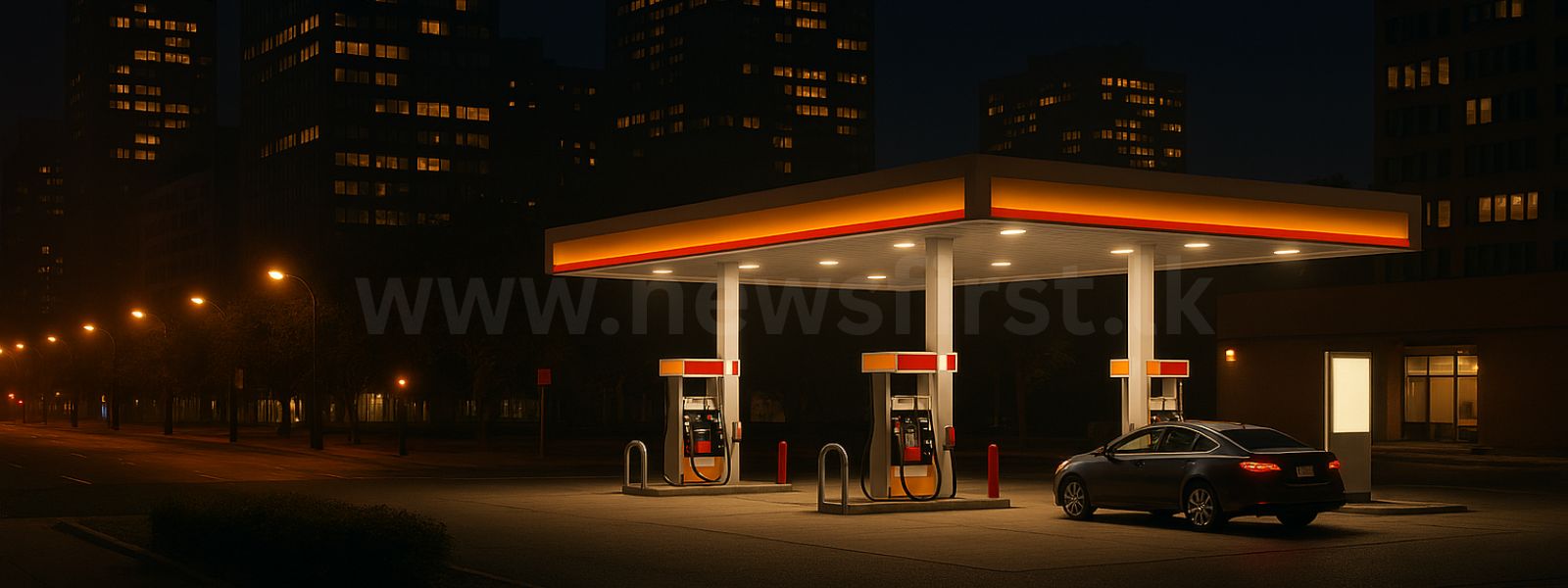
Diesel-Powered Nights, But No Blackouts & Fuel Supply Secured



.png )
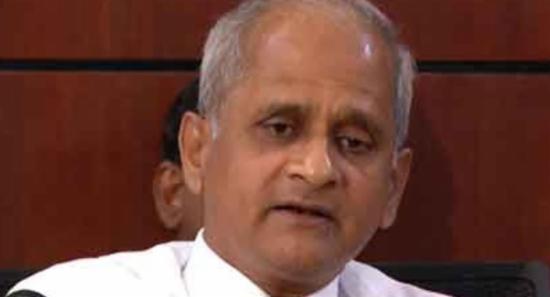
COLOMBO (News 1st); Ceylon Petroleum Corporation (CPC) Chairman D. A. Rajakaruna has confirmed that Sri Lanka’s fuel supply will remain uninterrupted in the coming months, despite delays in crude oil shipments.
He explained that when the crude oil shipment scheduled for the 24th or 25th does not arrive, refinery operations can continue only until the middle of next month. Once refinery operations stop, the country loses access to both furnace oil and naphtha produced locally, two fuels critical for electricity generation.
To prevent a crisis, CPC moved swiftly to secure furnace oil through an emergency procurement process. A tender was called on the 17th, and a successful bid has already been received. The furnace oil shipment is scheduled to arrive on the 12th or 13th of next month, effectively resolving the immediate risk.
However, naphtha cannot be procured under current conditions. As a result, diesel will be used as a substitute for electricity generation, increasing diesel demand and costs.
Electricity Generation and Public Responsibility:
With diesel replacing naphtha for power generation, electricity will now be generated using diesel, particularly during nighttime hours. This shift has contributed to an increase in diesel prices by Rs. 140 per litre.
Rajakaruna emphasized that this situation requires public understanding and cooperation. He called on citizens to reduce electricity usage wherever possible by switching off unnecessary lights, illuminated signboards, and even street lights where feasible.
He stressed that collective public effort, through energy conservation and responsible consumption,will allow the country to move forward without disruption, even during this challenging period.
Importantly, he assured the public that there will be no power cuts, as the furnace oil shipment arriving on the 12th or 13th will ensure uninterrupted electricity generation.
Fuel Supply Assurance for the Coming Months:
Addressing broader fuel availability, Rajakaruna confirmed that following emergency purchases made on the 17th, CPC has secured adequate supplies of diesel, 92-octane petrol, and furnace oil through successful tenders.
As a result, the country can operate without any fuel shortages throughout next month, and fuel supply stability is fully assured. He categorically stated that there will be no fuel supply disruptions, and all essential sectors will continue functioning smoothly.
Crude Oil Imports and Alternative Procurement Measures:
CPC has already secured a crude oil shipment scheduled to arrive around the 19th or 20th of June. Another crude shipment is also expected around the same dates under the current schedule.
In parallel, CPC continues to call for regular tenders and has also opened the door for unsolicited fuel supply offers, with Cabinet approval. Suppliers willing to provide fuel outside the tender process can submit their offers via email to the Ministry Secretary, with a copy sent to CPC.
A Cabinet-appointed committee evaluates these offers to determine feasibility. Approved suppliers must provide a USD 1 million bond before any transaction proceeds. Two such offers have already been received under this mechanism.
These measures, Rajakaruna said, are part of a comprehensive strategy to ensure uninterrupted fuel supply under all circumstances.
QR-Based Fuel Quota System and Economic Continuity:
Rajakaruna explained that fuel quotas under the QR code system have been increased in line with government policy, which aims not to contract the economy but to keep it running.
The decision to increase quotas followed extensive discussions and committee recommendations, taking into account potential economic impacts, especially on transportation, services, public sector operations, and public transport.
With the increased quotas, the need for fuel hoarding or standing in queues is eliminated, as sufficient fuel will be available for all users.
Revised Fuel Quotas and Vehicle Usage Capacity Under the revised system:
Cars: Fuel quota increased from 15 litres to 25 litres, enabling approximately 1,286 km of travel assuming an average of 12 km per litre.
Three-wheelers: With an average of 30 km per litre, users can travel approximately 2,571 km, ensuring uninterrupted daily operations.
Vans: Quota increased from 40 litres to 50 litres, allowing around 1,700 km of travel.
Lorries: Quotas remain unchanged at 200 litres, enabling travel of approximately 3,429 km.
These allocations are designed to ensure economic activity continues without disruption, while also encouraging controlled and responsible fuel usage.
Call for Collective Management and Conservation:
Rajakaruna reiterated that CPC has taken all necessary measures to prevent fuel supply interruptions and has the capacity to manage the situation effectively.
He stressed that no additional emergency measures are required at this stage. What is essential, he said, is collective management, reasonable public sacrifice, reduced fuel consumption, and minimal electricity usage.
Other Articles


-832023_550x300.jpg)

-832011_550x300.jpg)


Featured News



News 1st, MTV Channel (Pvt) Ltd, MBC Networks (Pvt) Ltd, 45/3, Braybrooke Street, Colombo-02.
T.P : +94 114 792 700, Fax : +94 114 792 733
T.P : +94 114 792 700, Fax : +94 114 792 733




 |  | .webp) |
|---|---|---|
 |  |  |
 |  |  |
 |
