.webp)


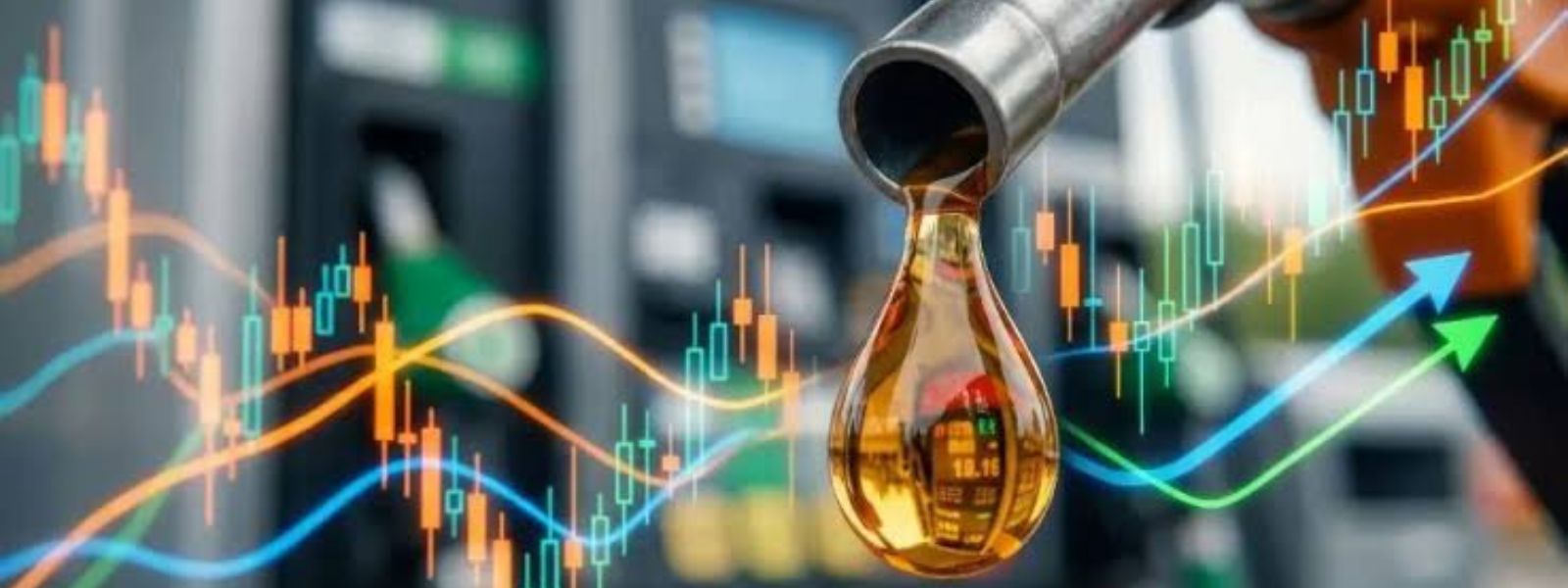
Private Fuel Firms Push for Diesel Price Hike as Losses Soar



.png )
COLOMBO (News 1st): Private fuel suppliers operating in Sri Lanka have called for an increase in diesel prices, claiming that the ongoing turmoil in global energy markets has pushed them into significant losses on every litre sold.
The companies say they are currently losing close to Rs. 100 per litre of diesel. However, the Ceylon Petroleum Corporation (CPC) has emphasized that there is no disruption to diesel supplies anywhere in the country.
According to information submitted to the Ministry of Energy, LIOC is incurring a loss of Rs. 141 per litre of diesel, while RM Parks is losing Rs. 160 per litre and Sinopec is recording losses of Rs. 163 per litre.
The Government discontinued the Rs. 100 per litre diesel subsidy in July. However, the companies say that the recent surge in oil prices triggered by developments in the Middle East has further widened their losses on diesel sales.
The Fuel Distributors Association claims that all three private fuel companies have begun limiting diesel releases to their dealer networks.
Speaking by telephone, W.H.S. Fernando, Chairman of the Fuel Distributors Association, said there was no fuel shortage in the country.
"The issue is that these private companies are not supplying their distributors with the quantities they require. We held discussions with all three companies over the past few days and asked why they were unable to provide their dealers with fuel when the Petroleum Corporation continues to do so for its own distributors."
The Chairman of the Filling Station Owners' Association, Kumara Rajapaksa, also commented on the matter.
"The companies say that when they entered the Sri Lankan market and signed agreements, they were given assurances that if fuel prices were fixed below their actual cost, the Government would compensate them for the difference."
"They say that because such compensation is currently not being paid, they cannot continue selling fuel at a loss. In our view, it would be best if this issue is resolved as quickly as possible."
Meanwhile, the Ceylon Petroleum Corporation says it has been able to mitigate losses on diesel through profits generated from refinery operations.
CPC Chairman D.J. Rajakaruna explained that the corporation's position differs from that of the private suppliers.
"In reality, no company is making losses on petrol. We are not making losses on petrol either. The concern is specifically related to diesel prices."
"Over the recent period, our refinery operations have generated profits, allowing us to absorb and offset some of these losses. The private companies only sell petrol and diesel. They do not operate refineries. Therefore, they may be experiencing losses."
"As the Petroleum Corporation, we are able to manage the losses incurred on diesel through the profits generated by refinery operations."
The Ministry of Energy reiterated that there is no diesel shortage in the country and confirmed that discussions have been held with the relevant companies regarding the pricing concerns.
Energy Minister Anura Karunatilaka said the companies had agreed to continue supplying diesel uninterrupted to 52 areas where there are no CPC-owned filling stations.
Addressing possible solutions, the Minister said several options remain under consideration.
"There are a number of ways in which this issue can be addressed. During April and May, when prices increased significantly, the Government intervened by providing fuel subsidies, including Rs. 100 per litre for diesel and Rs. 20 per litre for petrol."
"That remains one possible option. We could also consider making a pricing decision. Another option would be to establish an upper and lower price band, allowing other companies to sell fuel within that range according to their own pricing structures."
"There are several options available to resolve this issue. We will carefully evaluate all of them before taking the necessary decision."
"When Sri Lanka opened its fuel market to other companies, the objective was to create competition and ultimately ensure that consumers receive fuel at fair and competitive prices. That remains our primary focus."
"At the same time, we understand the concerns being raised by the private fuel companies. Therefore, while safeguarding the interests of fuel consumers, we will also take the grievances of the companies into consideration. The Government will continue discussions and make an appropriate decision in due course."
Other Articles





.png)


Featured News




News 1st, MTV Channel (Pvt) Ltd, MBC Networks (Pvt) Ltd, 45/3, Braybrooke Street, Colombo-02.
T.P : +94 114 792 700, Fax : +94 114 792 733
T.P : +94 114 792 700, Fax : +94 114 792 733




 |  | .webp) |
|---|---|---|
 |  |  |
 |  |  |
 |
